Solo Travel is Very Lonely—Do It Anyway

I’d been in Madrid for four hours when it dawned on me that I would eat all of my meals alone.

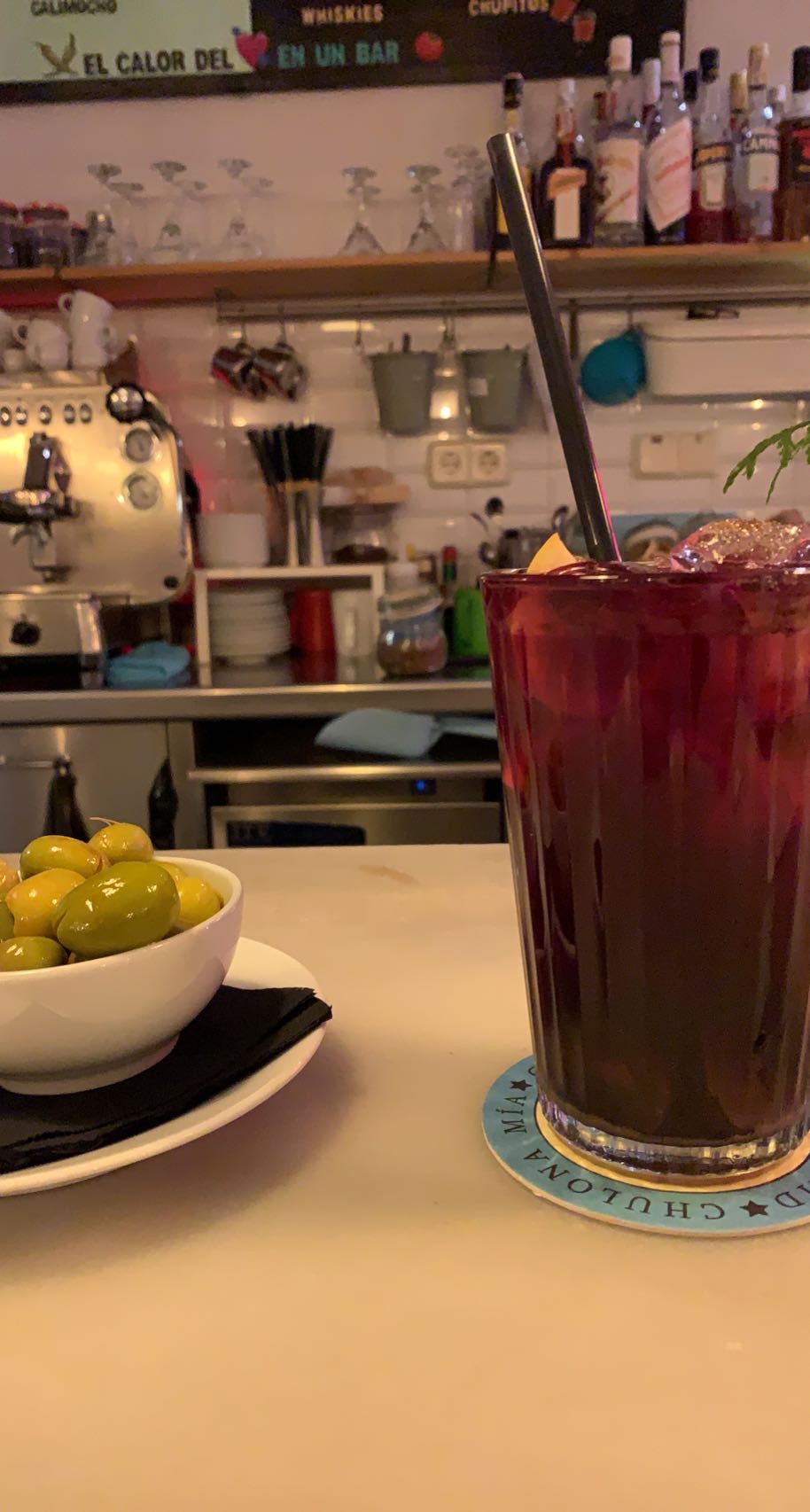
I had arrived in the middle of the morning and, having slept through my flight’s breakfast round, made a beeline to the first cafe I could find within walking distance of my hostel. It was noon by the time I found a place that served a simple breakfast menu, the famous tortilla de patata served with a coffee or orange juice. The waitress sized me up in one glance—taking in my beat-up backpack and unkempt hair—and pointed to a lonely table in the corner of the restaurant where there was only one chair and a view of the street. It was perfect for a solo traveler like me to watch people pass by as I planned my route for the day.

I ordered quickly, agreeing to whatever the waitress asked so she wouldn’t sense my elementary Spanish. Once she left, I checked my phone, looked out the window, thought of places I could see later that day, and waited.

Solo travel is often romanticized. Taking long, meandering walks with no cell service, marveling at centuries-old art and architecture, creating your own schedule to be followed and abandoned at will. These are all fantasies that attracted me to the idea of traveling by myself, but they ignore the less sexy, and much more constant, truth: Solo travel is lonely.

This wasn’t my first time in a foreign country with nothing but my own thoughts to occupy my time. I’d spent a day or two in busy cities, waiting on a friend or making the most of a long layover, but I had never been faced with the prospect that I would be alone for an extended amount of time.

When I began to plan my trip to Spain, my main goal was to learn Spanish. I had the notebooks, I watched the tv shows, and of course, I spent a few minutes on Duolingo every day, but it wasn’t clicking. I knew my accent was off and I could feel myself freeze up whenever someone asked me a question in Spanish. I needed to throw myself into the deep end of language immersion, and Spain happened to be the country I picked to teach me.

I did not consider asking friends to come with me. There were fantasies to uncover, and I wanted to be selfish. I longed for the days when I could wake up and do exactly what I wanted to do without anyone else’s opinion. If I didn’t feel the need to visit that “must-see” art museum, I didn’t have to. I could order wine as early as I wanted to, I could have two ice cream cones in a single day.

I was aware that I was doing this myself. I considered whether it would be smarter to plan a shorter trip instead of the vague 3-6 month end date I gave family and friends. But that slight fear was also exhilarating, enough to make me buy a ticket, book a hostel in a young district of Madrid, and put off the rest of my planning until I arrived.

Now, two months in, I can see the pros and cons of really reflecting on what it means to be alone before buying that ticket.

The days are filled with people, especially in the larger cities I’ve visited. Madrid, Burgos, Valladolid—all full of endless cafes to try, bars to rest, buildings to explore. There’s always a conversation I can listen to and people to watch, but rarely someone to share it with. Even when I push myself to make conversation and improve my Spanish, I am aware that the person I project is not really me. How can I fully express myself to a stranger in a language I barely know?

That reality can be hard to accept at times. Sometimes I see something beautiful, or stupid, and I want to immediately turn to someone I love and talk about it. I will admit that the technology of the twenty-first century makes it easier for me to share what I see through a quick text or photo. But other times, I force myself to control that urge to immediately pull out my phone and take in whatever I am seeing for myself.

A surprising sunset in winter, a conversation between two friends: These are just some of the moments I’ve found too common to share, but they are striking to me. These are the times that I truly feel part of the places I am visiting, where I usually stand out for wearing a dress in 50-degree weather or taking two seconds too long to respond to a question. More so than any of the buildings I see or food I try, these are the memories that I will cherish because they are solely mine.

Perhaps at the end of my trip, I will agree with all of the travel influencers out there who insist that solo travel helped them learn more about themselves.

“Traveling alone made me tougher,” I may say, even as I spend every evening looking over my shoulder as I walk home.

“Traveling alone showed me that I didn’t need another person to be happy,” I could insist, pushing away the memories of the quiet nights I waited for my loved ones to call as I sat in a hostel bunkbed.

The truth is that traveling alone still fucking terrifies me. But I am doing it anyway.

What Is ‘Rewilding’ and How Can It Help Restore Our Planet’s Biodiversity?

July 29, 2021 | Jaxx Artz

The western black rhinoceros, the dodo bird, and the woolly mammoth are all species that have gone extinct because of humans.

As climate change continues to ravage cities around the world — resulting in increased instances of extreme heat, flooding, and forest fires — more people are understanding the extent to which human activities impact the environment. But for millions of plant and animal species that have disappeared from the planet, humans have long had a hand in changing the natural world, for better or worse.

Extinctions are naturally occurring events that drive evolution and allow the earth to adapt to change. Five mass extinction events have occurred throughout our planet’s history, and scientists now believe we are entering our sixth. What makes this time different, however, is the fact that extinctions are occurring hundreds of times faster than usual because of human activity.

“Since the 1970s, we have become aware and taken steps, albeit incomplete ones, to address pollution and toxic chemicals,” Greg Costello, conservation director for the Wildlands Network, told Global Citizen. “We have been much slower to recognize the damage to ecosystems and the current free fall in biodiversity. It is unwise, indeed in my view foolishly arrogant, to believe that our very existence is not directly correlated with the health of the natural world.”

Like other species, humans are an important part of ecosystems. We help regulate natural processes by feeding on various plants and animals and cultivating land for agriculture. But when our activities threaten the genetic diversity of wildlife, zap natural resources, and contribute to the destruction of the environment, the whole system suffers. 

Thankfully, scientists have implemented a number of solutions to protect wildlife and restore ecological communities. One of these is called rewilding.

What Is Rewilding?

Rewilding is a conservation strategy used to promote biodiversity in ecosystems by reintroducing plant and animal species that have been driven out, largely due to humans. Bringing these species back into a certain environment can help struggling ecosystems self-regulate and return to their natural processes.

For many conservationists, or those who work to protect and preserve the natural environment, rewilding is as much an activity of the heart as of the land.

In order to adequately defend the planet and its diverse life forms, humans have to accept that they are part of a larger system instead of attempting to rule over everything. Conservation organizations attempt to promote a holistic return to nature through initiatives like rewilding, which can mean anything from reintroducing apex predators to restoring land that has been exploited.

“While natural systems evolve slowly, as anyone who has ignored a piece of property for a while can attest, nature is pretty adept at reclaiming what we let alone,” Costello said. “But our rapid and consumptive changes to natural systems is occurring at a speed many times greater than natural processes, and the impacts of climate change are occurring at a pace that far exceeds anything that has previously occurred in world history.”

For this reason, many conservationists believe rewilding is less an act of human interference in nature than a way for humans to restore what they have changed. And though there are many different routes conservationists may take to rewild the environment, the overarching goal is the same: Let natural processes take control so that ecosystems can become self-sustaining.

3 Key Facts About Biodiversity on Earth

  1. Biodiversity of plant and animal species help regulate the planet’s ecosystems and fight climate change.
  2. More than 99% of the 4 billion species that have evolved on Earth are now extinct.
  3. A 2019 report from the UN found that around 1 million animal and plant species are facing extinction, many within decades. These rates are unprecedented in human history.

How Can Rewilding Help Restore Our Planet’s Biodiversity?

Modern humans evolved on Earth and began interacting with other species about 200,000 years ago, but we have only recently distanced ourselves from the natural world. This distance is part of the reason why our activities have ramped up, causing harm to the environment around us.

“It is only since the Industrial Revolution and the rapid development of modern agriculture that we have been able to be less reliant on, and hence live somewhat apart from, the natural world in which we evolved,” Costello said. “In that process we have wiped out millions of other species, destroyed much of the earth’s productive soils, polluted our waterways, and introduced long lasting toxins into our lands, waters, and bodies.”

But rewilding can help reverse some of these unintended consequences. One method concerns ecological restoration, or helping areas that have been damaged recover. By reintroducing native plant species that have been lost, planting trees, and stopping human activities that degrade an area — through exploiting resources or polluting waterways — ecosystems can better regulate the environment. For this reason, rewilding is a nature-based solution for fighting climate change.

Forests and land ecosystems are known as a “carbon sink,” absorbing a net 7.6 billion metric tons of carbon dioxide per year. Rewilding some areas of the world by planting more forests can decrease the amount of carbon emissions humans put into the atmosphere. However, scientists point out that global warming has impacted land ecosystems’ ability to absorb carbon, which is why planting trees alone cannot stop climate change.

Another method of rewilding concerns connecting wildlife communities to increase levels of biodiversity, which in turn affects the food chain to help regulate ecosystems. Costello told Global Citizen that constructing wildlife crossings along highways can reconnect habitats that humans have divided, as well as help animals that migrate.

“Road and human development are major barriers to movement, and absent reconnection, it may be a bleak future for many of our fellow residents,” he said.

Perhaps the most well known example of rewilding is the introduction of apex predators into an ecosystem. Because the environment has changed due to human activity — such as through overhunting animals like the western black rhinoceros to extinction — some ecosystems have become unstable. Species that are not regulated by predators can prevent vegetation growth or spread disease to humans.

“For instance, we eliminated large predators throughout the eastern United States, and now we have an explosion of deer populations that destroy eastern forests, invade farmer’s crops, eat the flowers out of urban dwellers yards, are a hazard to drivers on our roadways big and small, and provide a ready vehicle for the explosion of ticks, and resultant Lyme disease that poses a human health risk,” Costello said.

He added: “Reintroducing cougars, including helping the Florida panther expand its range, and supporting the recovery of the red wolf population in North Carolina would be a start to reducing the deer population, and a start to returning to the more natural state that existed in the past.”

What Are Some Examples of Rewilding?

One of the most successful rewilding efforts occurred in Yellowstone National Park in the United States through the reintroduction of wolves into the park’s ecosystem.

The last wolf in Yellowstone was killed off due to overhunting in the 20th century, which altered how the food chain regulated itself and threatened the biodiversity of the environment. Elk populations increased for decades without wolves to hunt them, leading to a reduction in vegetation as they overgrazed on plants.

Not only did this reduce the beaver population, which rely on trees for food, but it also impacted the natural landscape of the park. Less vegetation leads to land erosion, and the absence of beavers building dams and ponds affects the water flow of rivers and streams. As elks continued to overgraze, scientists worried about environmental degradation.

In 1995, biologists introduced eight Canadian wolves into Yellowstone and kept track of how the wolves interacted within their new ecosystem. As the wolves hunted, the elk population decreased, which allowed trees and plants to flourish in the park. Beaver colonies quickly expanded, providing habitats for other species like coldwater fish and birds. With a clear top-down regulation system, where wolves are at the top of the food chain, plant and animal species could coexist and regulate the ecosystem together.

Another example of rewilding is currently taking place in oceans around the world.

Kelp forests are important for marine ecosystems, providing a habitat for thousands of organisms and absorbing carbon dioxide. They typically grow in shallow, open waters because they need light to prosper. But for years, rising sea temperatures and human activity in oceans have destroyed kelp forests.

The Sussex Kelp Restoration Project is one of many kelp forest conservation projects taking place to promote biodiversity in oceans and fight climate change. To restore kelp forests, the project has campaigned to limit trawling, a method of fishing that involves pulling a net through the water and can dislodge kelp from ocean floors. Other rewilding efforts are empowering volunteers to plant, grow, and monitor kelp to build up kelp forests that have been lost.

What Are the Risks of Rewilding?

Even rewilding initiatives are not without their controversies. As conservationists debate whether to reintroduce keystone species, or organisms that are important for regulating ecosystems, into an environment and how to promote biodiversity among plant species, they have to keep in mind several factors.

“The major disadvantage to rewilding efforts is that ecosystems are so complex that it is hard, if not impossible, to fully predict the unintended impact of rewilding efforts,” Costello said. “Human efforts to ‘fix’ things always come with some risk; indeed, history is full of examples where we have tried to fix environmental conditions and made things worse.”

While introducing an apex predator can help regulate the overpopulation of other species, conservationists have to make sure that they do not eradicate an entire population of animals within a given ecosystem. Even efforts to plant more trees with the hope that they will capture carbon dioxide from the air can have unintended effects on the environment, particularly with nonnative species.

And though some rewilding efforts may want to return an ecosystem to its pre-human state, nature is sometimes better off adapting and regulating itself.

“We must not forget that ecosystems continue to evolve, and trying to rewild a system to what it was hundreds of years ago, and then maintain that status quo, is likely neither possible nor appropriate,” Costello said. “Ecosystems are always evolving, and we must recognize and accept this in our efforts.”

He added: “But I don’t believe those potential disadvantages are reasons not to engage in common sense measures.”

Rewilding organizations are attempting to implement these common sense measures around the world. From demanding that world leaders protect existing habitats from human exploitation to reconnecting landscapes to help with animal migration, rewilding is a valuable tool to defend the planet and all of its inhabitants.

“If we are smart and exercise precaution, we can reconnect, restore, and rewild landscapes,” Costello said. “In doing so, we can help rebuild the resilience of ecosystems and build our own resilience as a biological species.”

This article originally appeared on Global Citizen’s website.
Goodbye Hollywood, Hello Dallas

July 29, 2019 | Jaxx Artz

Charles “Charlie” Solomon Jr. loves the weather in Los Angeles.

“It’s always 68,” he told me during a phone interview–him in Hollywood and me sweating on an 80 degree day, or what is considered Texas’ milder weather.

A man with many hats, the Park Cities native told me how California was originally great for his acting and production career and that the seemingly-endless list of things to do would ensure he was always entertained. However, Tinsel Town isn’t where he calls home. After 24 years of living in Los Angeles, Solomon returned to his roots in 2011, a move inspired by the birth of his son, Harrison, and wanting him to grow up in the same thoughtful community he did.

While it’s not every day you have a working actor and producer nestled in the Park Cities, Solomon continues his career with a slew of acting titles: most recently, the role of a detective in “Attack of the Unknown,” a science-fiction movie starring Tara Reid, Robert LaSardo, and Richard Grieco.

However, bouncing between Hollywood and the Lone Star State isn’t Solomon’s ideal. Instead, he is working hard to bring entertainment work to the Big D, pursuing several different paths to do so. For one, Solomon wants to turn his story idea, tentatively titled The Nine Lives of Herbert Noble, into a TV series filmed in Dallas. He is also talking to directors about filming his family movie “Get Gomez!” in Texas.

“I love Texas. The area is great, the people are great–Texas has a lot of talented people that we can make great use of,” he said.

Solomon said his passion for theater developed early in life as he would write and perform short plays for his family. He joined the Dallas Theatre Center before moving to Waxahachie for high school. Between class and working at a cotton gin, he enrolled in a theater program.

After graduating from SMU with a bachelor’s in English literature, Solomon moved to Los Angeles to learn from acting teacher Vincent Chase, after whom the lead character in Entourage is named. Wanting more instruction, he then went to New York to study theatre under Herbert Berghof, Uta Hagen, and Sanford Meisner.

“I did a few off-Broadway plays, working next to actors like James Gandolfini, but it’s a hard career,” he said. Taking a step back from performing, Solomon started racing cars and liked the adrenaline rush. He thought maybe this could be his new passion until a bad crash in 2001 nearly took his life.

Solomon said he didn’t know what his next step would be until a friend convinced him to move back to Hollywood. He added more behind-the-scenes work to his skill set, producing and directing several videos and movies, such as “Who Shot Mamba?” (2009) and “Killer View” (2009).

Nowadays, Solomon travels to California less often, mainly to catch up with friends. With projects set in Texas, he hopes there will be no need to go there for work. “I want Dallas to be the next city for film, and I’m starting with my own projects.”

This article originally appeared in the August 2019 print edition of Park Cities People. A shorter version of it can be found on the website for People Newspapers here: Goodbye Hollywood, Hello Dallas

Ursuline Graduate Takes Love of Service to UT, Microsoft

August 9, 2019 | Jaxx Artz

I met Jacqueline Gibson as a freshman at Ursuline Academy, where she was a year ahead of me. In the large cafeteria students passed on their way to and from classes, she stood alone at a fold-up table trying to recruit members for her club, Sewing for Others. I wasn’t into sewing, but as a first-year student I knew I needed to join clubs to help me meet people.

Jacqueline waved me towards her and immediately jumped into why she started the club a year earlier, when she was a freshman at Ursuline. She noticed there wasn’t a club that allowed students who enjoyed sewing to come together, and she knew it would be the perfect opportunity to have students create warm clothes for needy families. Though I walked away from her table without putting down my signature, we bonded over our shared name, so that for the three years we shared a school I could keep up with Jacqueline’s accomplishments and be happy for her.

It’s been four years since I last spoke to Jacqueline, at her graduation from Ursuline in 2015, but that’s what Facebook is for. I’ve liked her photos, been impressed when she announced she’d scored an internship at Microsoft, and when a classmate told me about the work she’s done to make technology more equitable, I wanted to reach out.

My first question made her laugh. “I loved Sewing for Others! And I kept up with my crafting,” she said.

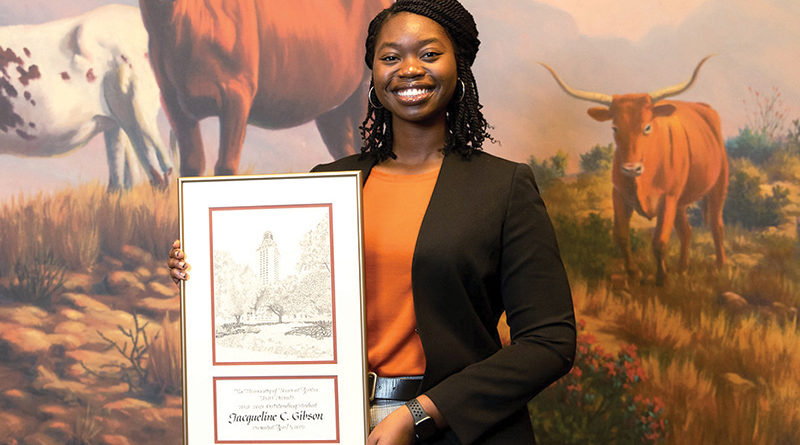
Jacqueline left Ursuline to attend the University of Texas at Austin, where she joined service organizations like Delta Sigma Theta and continued making hats for people in need. At UT, Jacqueline’s philanthropic spirit flourished, but I couldn’t help but wonder how computer science fit into her passion for service?

It all started at Ursuline, a school she didn’t expect to love.

“I didn’t like that it was an all-girls school, but when I went to the open house, I just knew that I wanted to be part of Ursuline. It seemed magical,” she said.

As she sought to embody the Ursuline motto of Serviam (I will serve), Jacqueline realized that, surprisingly, she could apply service to technology.

“I took Mr. Poellot’s web development class and found myself drawn to the curriculum. We created websites for our community, and it showed me how something as simple as writing a few lines of code can make an impact.” After attending UT’s computer science camp First Bytes, she knew technology was the perfect fit.

When she started college, though, Jacqueline found that black students were sprinkled throughout the computer science department without any unification.

“I felt alone. It would’ve been great to have a mentor or friends with a similar background for support,” she said.

Inspired by Ursuline to be a change-maker instead of someone who accepts what’s been dealt to her, Jacqueline created UT’s Association of Black Computer Scientists to offer students mentorship and support. Since then, she’s seen the community grow.

“There is a larger class of black students,” she said. “When they come in, they have built-in mentors. We’ve also seen a higher number of black students get internships.”

With degrees in computer science and African and African Diaspora studies, Jacqueline uses an interdisciplinary perspective to create equity in society through technology.

Looking to the future, she applied to Microsoft’s internship program her freshman year. “Their mission is to empower every person and organization to achieve more and create technology for good.” The work she did for Microsoft was so inspiring that Jacqueline knew she wanted to commit to their mission for her career.

After graduating from UT in May, Jacqueline returned to Microsoft as a full-time employee on the Accessible Development team and is working on a tool to scan webpages to ensure they are accessible to people with low vision.

It’s familiar work on familiar ground, but Jacqueline can’t help but feel nervous. “It will be weird to be far away from my family, but if something doesn’t challenge you, it won’t change you.”

This article originally appeared in the August 2019 print edition of Preston Hollow People. A shorter version of it can be found on the People Newspapers website.

Highly-Anticipated Italian Restaurant Opens inside The Plaza at Preston Center

May 28, 2019 | Jaxx Artz

After several days of soft opening, the neighborhood Italian restaurant il Bracco opened to the public May 28 inside The Plaza at Preston Center.

A project of Robert Quick, CEO of Western Addition, and Matt Gottlieb (COO) – who together have 25 years of restaurant experience – il Bracco offers a craveable menu in a chic but comfortable environment. With 74 interior seats and an outdoor patio, it is the perfect restaurant for the whole family to enjoy this summer.

“il Bracco offers a fresh take on classic Italian dishes with everything made from scratch including bread, pasta, and sauces; fresh fish is delivered daily and all proteins are butchered on-site,” Quick said.

The Food

The menu includes Italian favorites, such as house-made Focaccia with whipped ricotta cheese, roasted garlic, and thyme; Crispy Artichokes made with baby artichokes and olive aioli; and Meatballs with a blend of beef, lamb, and pork topped with a house tomato gravy and Reggiano.

To honor their new home in Dallas, il Bracco also hosts The Plaza, a roasted chicken dish with golden beets, pancetta, and Marcona almonds.

Other salads and sandwiches include the Burrata Salad with fresh burrata cheese and dressed market vegetables; the Fried Chicken Sandwich with an Italian twist using sundried tomato, provolone, and dressed arugula with fennel to the Classic Italian Combo with artisan charcuterie, mozzarella, hot pepper relish, oil, and vinegar.

Pasta made in-house include Spicy Gemelli – Gemelli, spicy vodka sauce, basil, and Reggiano; Marsala Trumpets with trompetti, trumpet mushrooms, garlic, and marsala; and several more.  

For Entrees, seafood lovers can indulge in the Mediterranean Sea Bass, pan roasted, topped with mint gremolata, served with snap beans; and more traditional offerings include the Porchetta, thick-cut over whole grain mustard sauce and topped with herb salad, or a Chicken Piccata with lemony chicken served with a kale salad. 

Roasted Chicken, Center Cut Tenderloin, Eggplant Parm and more are also available for entrée choices.

The Drinks

An interesting and diverse wine list aids guests in a tasting exploration of Italy from a comfortable booth right here in Dallas. il Bracco has also put a spin on classic Italian cocktails to complement the food, such as with The Bracco, made with New Amsterdam, Aperol, and fresh grapefruit.

il Bracco is open daily for lunch and dinner; 11 a.m. to 10 p.m. Sunday through Thursday and 11 a.m. to 11 p.m. Friday and Saturday.

A version of this article originally appeared on the website for People Newspapers.

MIXT Offers Customizable Options for Everyone

June 28, 2019 | Jaxx Artz

The recently-opened MIXT in Uptown Dallas provides fresh and fast healthy food for guests, allowing them to choose from pre-set, seasonal menus or customize their own plate using the ingredients as a guide. We at People Newspapers couldn’t pass up an opportunity to stop by for a taste.

After perusing their salad, seasonal plates, and grain bowl options, I decided to try the Pacifica Grain Bowl, featuring quinoa, black beans, grilled chicken, and freshly-sliced mango with a cilantro jalapeño vinaigrette on top. After mixing my grain bowl together, it was beautifully presented to me with long strips of mango on top, highlighting the array of colors that made up my meal.

I also tasted items from their Seasonal Plates section, where guests can select options from three categories: Farm + Sea, Homemade Sauce, and Market Sides. I tasted the braised Tuscan chicken with a homemade spicy Korean barbecue sauce. Paired with my choice of roasted rainbow carrots and grilled broccoli, the warm meal served as a comforting dish for the rainy day outside.

Thirsty? MIXT also provides beer, wine, and kombucha on tap, along with a refreshing hibiscus and strawberry lemonade.

The Dallas location, located at McKinney & Olive in Uptown, offers an easy online ordering and pick-up system using their website, making it even faster to grab lunch on the go.

Mixt also partners with Bonton Farms—a local nonprofit dedicated to bringing fresh produce, nutrition classes and employment opportunities to a former food desert in South Dallas; and collaborates with Fusion to aid in the city’s efforts of reducing and recycling food waste.

This article originally appeared on the website for People Newspapers.

Progressives Don’t Have To Stop Critiquing Biden/Harris To Vote For Them

October 26, 2020 | Jaxx Artz

When Bernie Sanders, arguably the most desirable option for Progressives during the 2020 Democratic Party Primary election, ended his campaign, voters around the country were crushed. The support for Sanders was palpable, and for a while, it felt like he could actually win the nomination.

When it became apparent that former Vice President Joe Biden was the presumptive nominee, a vague weariness and overall distrust took over the election. Sanders’ supporters called out his lack of media coverage, despite being a consistent frontrunner during the primaries, and broadcasted their support by labeling themselves #BernieorBust. If it was going to be Biden versus Trump, they would either sit this election out or write-in Senator Sanders’ name.

This year has illuminated just how broken our nation really is. With the backdrop of the COVID-19 pandemic, Americans have dealt with record job loss, impacting access to health care for those who rely on employer-sponsored insurance, in addition to confronting police brutality. The Democratic ticket features a centrist platform and former attorney general, whose misleading moniker as a “Progressive Prosecutor” ignores Senator Harris’ tough-on-crime policies. Needless to say, there is much to be desired for Progressives this election.

While it’s true that some “Bernie or Bust” voters have decided to support Biden this election, there is still a group of eligible voters, namely Gen Zers, who “don’t like Joe Biden or Donald Trump enough to vote,” according to a POLITICO/Morning Consult poll.

Biden’s assurance to Pennsylvanians that he will not ban fracking has disheartened those who have environmental regulations at the top of their list of priorities for the nation’s next president. His stance is understandable, as Biden seeks to appeal to a wide range of voters, from weary Republicans to Progressive Democrats, but also worrying. How can anyone support a nominee who seems to be at odds with his own platform? Without wanting another four years of Trump’s administration, another question arises: How can Progressives support a Biden/Harris ticket?

The Trump era has reduced civility in politics. We have a president who outwardly mocked a reporter with a disabilitycasually talked about sexually assaulting women, and routinely name-calls his opponents. Trump supporters lap it up, insisting his remarks are jokes, or locker room talk, and do not seriously reflect the President’s character. The effect is more derision and hate. Fox News host Tucker Carlson’s mispronunciation of Senator Kamala Harris’ name — and his subsequent response that being corrected is just an excuse for the Left to limit critiques of the Senator — demonstrates how subtle the process of othering truly is. It also highlights how it’s been used increasingly the past four years to sow division in our country.

The fact is, both former Vice President Biden and Senator Harris need to be critiqued, by the right and the left. While I personally believe the Biden/Harris ticket is the far-more preferable option under the two-party system, neither of them are perfect candidates.

Biden’s support for the Violent Crime Control and Law Enforcement Act of 1994, which encouraged states to implement mandatory minimum sentences and targeted low-income communities by reinforcing the disparities in sentencing between crack and powder cocaine, is one of the biggest talking points for on-the-fence voters. It makes sense in this year of mass protests for racial justice, contributing to the conversation around prison abolition and the racist practices that have allowed the criminal justice system to disproportionately lock up Black Americans.

At his Town Hall on October 15, Joe Biden recognized his support for the 1994 bill as a mistake but still attempted to pass the blame. Namely, Biden expressed that individual states were at fault for how they chose to implement different aspects of the crime bill. After, Biden pivoted to recognize today is a different time and named a few of his ideas for reforming the criminal justice system, such as decriminalizing marijuana, ending mandatory minimums, and ending “the federal crack and powder cocaine disparity.”

Biden’s platform embraced many of the above ideas early on, but his decision to welcome Senator Harris as his running mate made reluctant Progressives even warier of giving him their vote, reducing the already-low enthusiasm for the 2020 election. While Republicans garner fear among their base by labeling Harris as the most liberal person in the U.S. Senate, Progressives see a waffler who claims to support liberal policies but whose background and record tells a different story.

It is important not to forget both Biden and Harris’ backgrounds, as they can provide insight into how they will run the country should they win the election. Voters can be excited that Senator Harris is the first woman of color to accept a Vice Presidential nomination, but remember that her co-sponsorship of the Medicare for All Act of 2019 did not stop her from including a larger role for private insurance in her own plan, released during the Democratic primaries.

It is the fact that Progressive policies are being increasingly talked about, from the Green New Deal to student loan forgiveness, that has made the Biden platform shift further left. Republicans may still cry whenever the word “progressive” is mentioned, but more and more citizens are paying attention to climate changeaccess to health insurance, and whether social security is going to be bankrupt by the time they need it. These are no longer seen as topics the Left brings up to steal money from hardworking Americans; rather, these are things a growing number of Americans are paying attention to and prioritizing.

When voting for the Biden/Harris ticket this last week leading up to Election Day, Progressives ought to remember that voting for a political candidate does not require robust support. When debating with others, bring up the issues that make us all question just how left-leaning Biden truly is. Acknowledge the ticket’s shortcomings and commit to demanding improvements: through protest, lobbying, calling-in, etc.

There is a widely-felt unease about where the nation is headed. We, as voters, can only do our best, and encourage others to do the same.

This article originally appeared on Medium’s online publishing platform.

New Menus, Restaurants Offer A Taste of Summer

June 21, 2019 | Jaxx Artz

Its summertime in Dallas, which means the patio chairs are here to stay and so are the city’s freshly-inspired dishes. Check out our food roundup of what’s hot, what’s new, and what’s only here for a limited time. From a birthday celebration featuring one of New York City’s menus to the reopening of a Dallas favorite, this summer is sure to be one your taste buds will never forget.

Uchibā
2817 Maple Avenue (above Uchi)

Spend your Monday night experiencing the June installment of Uchibā’s Uncommon Ramen Series, which features innovative collaborations between Uchibā’s own Chef de Cuisine Alex Astranti and notable chefs from around the country. From 5 to 10 p.m. June 24, the featured guest will be Chef Alex Seidel of Fruition Restaurant, Mercantile Dining & Provision, Füdmill, and Chook. Seidel is the recipient of many accolades, including Food & Wine magazine’s Best New Chef in 2010, and was named the 2018 James Beard Foundation’s “Best Chef: Southwest.” Limited reservations will be accepted for this special night, but Uchibā will continue its 2019 series with Chef BJ Smith on July 29.

Al Biernat’s
4217 Oak Lawn Avenue

To celebrate its 21 years in business, Dallas steakhouse Al Biernat’s is partnering with Manhattan’s 21 Club for a cross-country collaboration to celebrate both of their birthdays in July. “We wanted to do something special to celebrate these past 21 years,” shared Al Biernat’s director of operations Brad Fuller. The two eateries will showcase each other’s menus for the month to honor and surprise their clientele. The legendary Manhattan speakeasy will feature a four-course set menu from Al Biernat’s team for $102, while in Dallas a special menu will make its own mark. At Al Biernat’s Oak Lawn location only, the 21 Club specialty menu will feature the restaurant’s most famous items for their 90th birthday, such as the 21 Caesar Salad21 Burger, and Pistachio New York Cheesecake. The specialty menu will be available for $95, but all of the items will also be available a la carte. Join the fun as these two institutions toast each other from afar, but hurry as the menu will only be available this July. Reservations are available online or by calling 214-219-2201.

Del Frisco’s Grille
3232 McKinney Avenue, Suite 175

Don’t miss your chance to enjoy the famed American bar and grill’s specially-curated menu, Burgers & Bordeaux, nationwide through July 2. It pairs three French wines from the Bordeaux region with three new handcrafted burgers, served with hand-cut fries, for a total of $25 when ordered together. The wines serve as the perfect complement to the burgers they are paired with, enhancing the flavors of each dish. The first dish, The Blanc, is a Turkey burger with Pear mostarda and Brie on a toasted Brioche bun, paired with the Chateau Peyrat from the White Region. Representing the Right Bank, Del Frisco’s Grille is pairing the Chateau Tour Bayard from Montagne-Saint-Émilion with a burger comprised of a 6-oz. house-ground Filet Mignon, Goat cheese, Tomato jam, carmelized Onions, and a roasted garlic aioli Spring Mix to form The Château. Finishing the menu is The Légende, which pairs Légende by Domaines Baron de Rothschild from Médoc with a 6-oz. house-ground Filet Mignon, Wild Mushrooms, Raclette, black garlic Aioli, and Truffle Vinaigrette on a Kaiser roll. Guests may order the new burger and wine offerings available at Del Frisco’s Grille for both lunch and dinner service.

Truluck’s 
2401 McKinney Avenue

Truluck’s is honoring the season with its all-new Summer Escape menu, featuring three courses with five entrée options and dessert for $55. With a rich, velvety Lobster Bisque or Sonoma Greens Salad with Spicy Pecans, Goat cheese, Apples, Kalamata olives, and Honey Vinaigrette to start, guests can choose their entrée from the Viking Village Sea ScallopsIcelandic Arctic Charr, Princess Clams Pasta, Ultimate Steakhouse Tenderloin Medallions, and Hawaiian Ahi Tuna before finishing their meal with the Strawberry Shortcake or Truluck’s Tasting Trio; with a sampling of Carrot Cake, Vanilla Créme Brûlée, and the Chocolate Malt Cake, every taste bud will have something to enjoy. This special menu will be available until August 31.

Cooper’s Meat Market & Kitchen
778 Ft. Worth Ave, Suite G150 (Next to Cox Farms Market)

Foodies and oenophiles, rejoice, for the beloved restaurant and meat market has unveiled their new Summer Wine Dinner Series. Each month, guests will experience a four-course dinner, with each course paired with a different and unique wine. The chef will give a talk about the meal while the winemaker will provide insight on each of the wines, teaching guests about their choices for the special night that will take place every second Tuesday from 6:30 to 9 p.m during the summer.

Nosh Bistro
8611 Hillcrest Road

Almost like a blast from the past, renowned Dallas chef Avner Samuel has announced his evolved restaurant concept Nosh Bistro will open in Dallas in late summer 2019. He will step back into the Dallas dining scene after spending two and a half years in Israel to feature a widespread menu with rotating specials that are a fusion of globally-inspired cuisine, heavily influenced by the Mediterranean, American, and Asian cuisine. “Going back to Israel and immersing myself in the environment where I was first introduced to the art of cooking brought an edge back into the way I look at food and the guest experience I aim to create at Nosh Bistro,” said chef Avner Samuel. A few items from the new cuisine at Nosh Bistro include a Wagyu Kobe Burger and Seared Divers Scallops, with a special Sunday brunch menu that puts a twist on popular favorites such as the Eggs Benedict with Beef TenderloinFrench Thin Crepes, and Steak and Eggs.

HERO
3090 Olive St.

To add even more options to your weekend brunch plans, the recently-opened, open-air restaurant in Downtown Dallas is now serving brunch from 10 a.m. to 3 p.m. on Saturdays and Sundays. “We wanted to put together a brunch menu that was both indulgent and healthy at the same time to give a broader array of options to our guests,” said culinary director, Danyele McPherson. The menu is divided into nine sections: Appetizers, Salads & Soup, Meat & Bread, Brunch Specialties, Fruit & Grain, Steak & Eggs, Classic Breakfasts, Sides, and Cocktails. Standout items include the Drunken Grapefruit, which features a halved Texas grapefruit infused with housemade Vodka; Deviled Egg Salad & Ham Toast made with grilled Sourdough and light herbed Egg Salad topped with Prosciutto; HG Breakfast of Champions with scrambled Pachi Pachi Farm Eggs, Bacon, sliced Organic Rainwater Farms Texas Tomatoes and Avocado with Olive Oil and Sea Salt; and the Corn-fried Bread with griddled Cornmeal Cakes, two Sunny Side Texas Pachi Pachi Farms Eggs, Blueberry Maple Sausage, Salted Butter and Vermont Maple Syrup. With over 50 options for guests to choose from, the menu offers even more with an extensive cocktail menu created by bar master Matt Ragan, featuring the Elderberry Spritz with St. Germaine Elderflower Liqueur, Sparkling Wine, House Strawberry Cordial, and Club Soda; and Cold Brew Irish Coffee, G & W Private Stock Whiskey, Grady’s Cold Brew, Vanilla Syrup, and Cream Top.

Blatt Beer & Table 
7859 Walnut Hill Lane

Need a new brunch place? Blatt Beer & Table is welcoming a new brunch menu at their Dallas location every Saturday and Sunday from 10 a.m. to 3 p.m. at their Preston Hollow Village location. The menu will fall into formation with Blatt’s lunch and dinner fare, featuring American Gastropub favorites with an elevated twist, along with a variety of vegan and vegetarian items. Highlights include the Down South Sunrise, smoked Pulled Pork, over-easy Eggs, homemade Barbecue sauce, and Black Pepper Gravy on top of Jalapeño Cornbread Waffles; Donut Holes topped with Powdered Sugar, Lemon Icing, and Mint; and the Sticky Biscuits, where two Buttermilk Biscuits are topped with Walnut Toffee, Applewood Smoked Bacon, barrel-aged Maple Syrup, and Fresh Berries. And since no brunch would be complete without a cocktail, Blatt will offer MimosasSpiked CoffeeThe Beermosa with Revolver Blood & Honey, Triple Sec, and fresh-squeezed Orange Juice; the Red Beer with Dogfish SeaQuench Ale, house-made Blood Mary juice, charred Jalapeño, and a Tajin lime wedge.

Partenope Ristorante
1901 Main St, Suite 102

Say Benvenuto to Dallas’ new family-owned Southern Italian eatery, Partenope Ristorante. Created by husband and wife Dino and Megan Santonicola, the restaurant will open this fall inside the historic downtown Titche-Goettinger building. Dino found his first love (cooking) in Naples, Italy where he was born and raised. After working at a neighborhood restaurant at just 13 years old, Dino began an impressive career that provided him with opportunities to work in a number of respected kitchens in Italy and the U.S. Upon meeting his wife Megan while working at the same restaurant in Dallas, the two married in Naples before embarking on their dream to open an authentic South Italian restaurant named after the siren Partenope, who watches over their favorite city.

With respect for cooking traditions and fresh ingredients, the menu will offer street food such as the Pizza Fritta and Mozzarella in Carrozza; traditional pastas including the Timbaletto Di Melanzane, an Eggplant filled with Bucatini, Tomato sauce, Mozzarella Beef, Sausage, and a Boiled Egg, and the Ragú Napoletano, a slow-cooked Tomato Ragu with Pork and Beef; and traditional Italian desserts like the house-made Torte Caprese, a flourless Chocolate and Almond cake, Gelato, and Panna Cotta Limoncello, a traditional Panna Cotta with Crema di Limoncello. With a custom-designed pizza oven with hand-painted Italian tiles created by Stefano Ferrara in Naples, Italy, Partenope Ristorante will offer several styles of pizza, including the famed Neapolitan. A handpicked wine list will focus on Italian varietals with an emphasis on the Southern Italy region. The nearly 4,000 square feet will hold 100 guests in the dining room with 12 seats at the full-service bar. “We hope that guests can feel like they’ve been transported to Naples when dining with us,” explains Megan.

Five Sixty
Reunion Tower

Executive Chef Jacob Williamson has incorporated some of the most iconic ingredients of the season to his contemporary Asian dishes, including peaches, green tomatoes, oysters, and squash blossoms, to name a few. Williamson has longstanding relationships with many local farmers and purveyors, as is seen on his a la carte and tasting menus over the years. His summer additions to the menu are no different, with ingredients from Larken Farms (Waxahachie, TX), Dallas Mozzarella Company (Dallas, TX), Profound Microfarms (Lucas, TX), Vertigrow (Waxahachie, TX), Wagyu Exelente (Midlothian, TX), and A Bar N Ranch (Celina, TX). Some new summer menu additions include Cumin Braised Spring Lamb Shank, a play on traditional Xinjiang Cumin Lamb, with Szechuan Peppercorn, Toasted Chili’s, Morels, Spring Onion, and Cumin Infused Natural Jus; Tempura Soft Shell Crab served with  Profound Microfarms pea tendrils, spring peas, and Szechuan chili aioli; and Crispy Fried Green Tomatoes with Thai basil, and Bincho-grilled tomato aioli.

This article originally appeared on the People Newspapers website.

CiboDivino Expands With All-Day Concept in Downtown Dallas

July 19, 2019 | Jaxx Artz

After enjoying much success supplying specialty foods and a large selection of hand-picked wines and imported products, CiboDivino Marketplace has decided to expand its brand to include another concept: A restaurant.

Following the footsteps of other popular all-day concepts, such as the Chicago-based market and café Foxtrot, which opened in Uptown earlier this summer, CiboDivino Centro will open in Downtown Dallas’ Bryan Tower later this summer, supplying on-the-go Dallasites with an authentic Italian culinary experience.

“Centro is an exciting, new version of the CiboDivino brand,” said Daniele Puleo, chef and owner of CiboDivino Marketplace. “I wanted to be in the center of the action—the trains, the trolley, the buzz of people weaving through the buildings downtown.”

Founded by Daniele and Christina Puleo, CiboDivino, which means “Divine Foods,” draws inspiration from Daniele’s time growing up in Italy. As a chef and restaurant industry vet, Daniele centered CiboDivino’s first location around the concept of an Italian marketplace but wants Centro to include a better-rounded view of Italian culture.

“Italians start their day with coffee, break for a healthy lunch, and end with an aperitivo with friends. I hope a bit of my culture will become part of the local routine,” Daniele said.

While Centro will follow Marketplace’s goal of providing an authentic, Italian dining experience with fresh, house-made bread, pastries, and Italian fare, the new concept has many features specific to this location, including:

  • scratch-made and customizable salads
  • paninis and chef-crafted dishes
  • authentic Italian pasta and Pizza Al Taglio (pizza by the slice) served by the pound
  • 120+ retail wines available and Italian wines served by the glass, selected by Dallas’ top Wine Curator, Daniele Puleo
  • a full-service café and coffee bar featuring Lavazza coffee and unique, authentic Italian coffee drinks
  • grab and go snacks ready to eat

The new restaurant will also be home to the only Roman-style pizza in Dallas, serving scissor-cut slices. For those who want to linger for a glass of wine with friends, an outdoor patio and green space for al fresco dining is also part of the new concept.

Centro will bring Italian comfort to cure the weekday blues, offering breakfast, lunch, and dinner from 7 a.m. to 7 p.m. Monday through Friday.

This article originally appeared on the People Newspapers website.

“Where’d You Go Bernadette” Is The Perfect Summer Flick For Families

August 14, 2019 | Jaxx Artz

Movies are never as good as the books they’re based on. It’s something I think whenever I walk into a theater, already poised to point out the fatal flaws in the movie adaptation of a favorite novel. I try to give every film the benefit of the doubt, telling myself not to compare them, even as I roll my eyes at the casting decisions (though “Gone Girl” did a great job with Rosamund Pike).

I walked into “Where’d You Go Bernadette” expecting to be underwhelmed, sinking back into my chair as the lights dimmed.

Of course, sometimes adaptations surprise you, most likely when it’s been a few years since you last read the book and can enjoy the movie without cringing too many times. And then there are the films that recognize a book as inspiration but take the story in a different direction, choosing what can fit into a 2-hour time slot and be interesting enough to keep an audience’s attention. These are the success stories, when done well, and when the readers of a beloved book can recognize how different formats produce different stories.

“Where’d You Go Bernadette” is not the same as the book, but that’s okay.

The film stars Cate Blanchett as rising star architect Bernadette Fox, who gives up a promising career to move to Seattle with techie husband Elgin Branch (Billy Crudup) to raise their daughter Bee.

But the thing is, Bernadette hates people; detests their fake niceties, deplores social events, and absolutely cannot stand the moms at Bee’s school who hound her about sleepovers, fundraisers, and bringing cupcakes to the annual bake sale. When Bee reminds her parents about a promised vacation to Antarctica, Bernadette has to confront everything she’s afraid of and prefers jumping out of a window (literally) to becoming a “normal” mom, forcing Bee to search for where she may have gone.

The characters in the movie are funny, frustrating, and more real with a skilled set of actors than most page-to-screen adaptations can accomplish.

Whereas the book slowly reveals Bernadette’s story through FBI files, emails, and notes throughout its 352 pages, the movie went inside the mind of Bernadette to share her struggles and anxieties, her hatred of “Seattle gnats” bugging her about an unkempt yard, and her fear about her husband seeing her as everyone else does.

And with Cate Blanchett as the leading lady, of course it’s going to be a good film. I have always loved Cate Blanchett; she becomes her characters, fitting so perfectly into the world she’s created that you forget you’re watching a movie. I often wonder what she would be like in real life, away from her roles as Carol, Lou, and Queen Elizabeth. With brown hair, a sharp American accent, and bangs, she is Bernadette Fox, transforming a character I liked and understood better than the one I read about years before.

In 130 minutes, viewers experience the hilarious, and at times heartbreaking, unraveling of a family that is forced to cross oceans to come together again. If you don’t want to go to feel closer to your family, then go for Kristen Wiig. Never have I seen her in such a role, and she nailed it.

“Where’d You Go Bernadette” (Rated PG-13) will be released nationwide on August 16.

This article originally appeared on the People Newspapers website.